French Polishing, Restoration & Upholstery
For fifty years Mathew Matheou has restored antiques by hand — and beside him, his son, a master upholsterer of twenty-five. Two generations, one workshop, keeping old-world skills alive as fewer hands hold them each year.
To keep a vanishing craft alive is a quiet act of preservation. A good restoration is the one you never notice — the aim is never to erase a piece's history, but to steady it, by hand, with respect for the maker and the patina only time can lay down.
Bringing pieces back to life
Fine antique furniture asks for a considered hand, not a heavy one. True French polishing is a dying trade — genuinely skilled hands grow rarer in Australia each year — and Show Pony is proud to be among the few who still do it by hand, properly. Every piece is assessed on its own terms and treated by methods sympathetic to how it was made, so the result looks cared for, never made over. Based in Kyneton, we restore and French-polish furniture for clients across the Macedon Ranges — Woodend, Trentham, Castlemaine, Daylesford — and further afield to Bendigo, Ballarat and Melbourne.
- Antique furniture restorationConsidered, piece-by-piece work on antique and period furniture — reviving character rather than stripping it away.
- French polishingA rare, near-vanished hand skill — shellac built in fine layers and hand-rubbed to the deep, warm lustre no spray finish can imitate.
- Gilding & giltwood repairCareful repair and re-gilding of giltwood frames, mirrors and mounts — matching tone and toning back so nothing shouts.
- Timber & veneer repairLifting veneers laid back down, losses patched and grain matched, splits and old repairs made good in sympathetic timber.
- Structural repairsLoose joints re-glued, chairs and cabinets brought back to strength so a piece is sound to live with, not just to look at.
- Cleaning & conservationGentle cleaning and conservation that lifts away grime and neglect while leaving honest age — and provenance — intact.

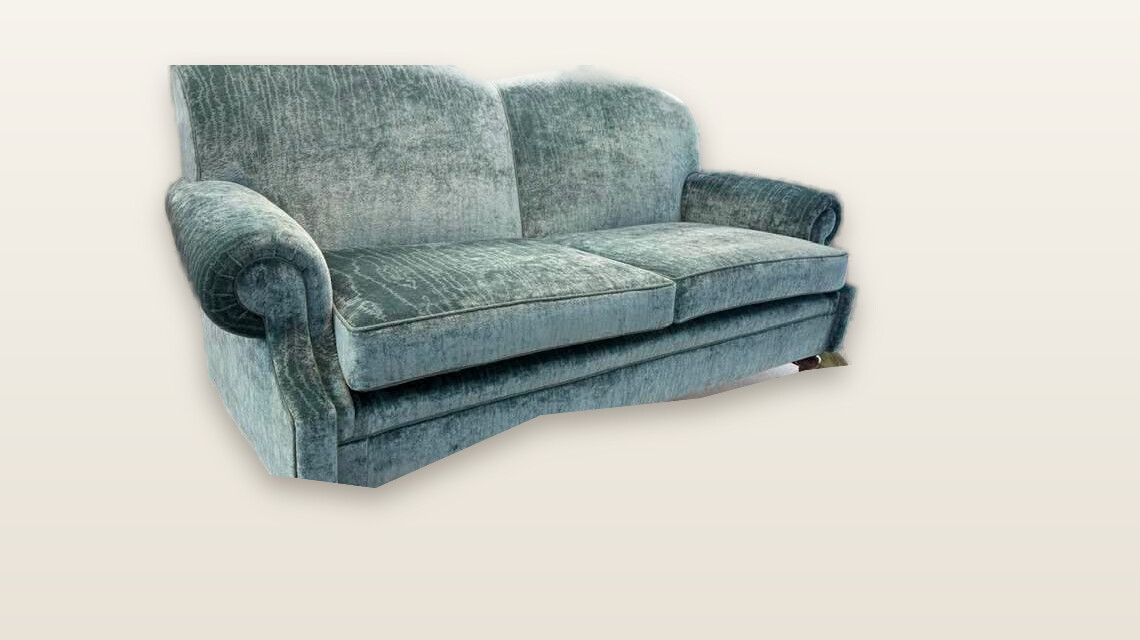
Reupholstery, done properly
A tired chair is rarely a lost one. Here the work is led by Mathew's son — the workshop's master upholsterer, with twenty-five years at the trade. Traditional upholstery — hand-tied springs, horsehair, the old-world techniques passed down over generations — is a dying trade, and a true master of it a rarer thing still. Seating is stripped back, its frame set right, and rebuilt by traditional or modern methods as the piece calls for, then dressed in a fabric chosen to suit both the era and the room it is bound for.
It is a craft kept in the family: fifty years of a restorer's eye and twenty-five of a master upholsterer's hand, two generations working side by side to hold a vanishing trade steady for one more.
The work runs the full breadth of the trade — from the careful recovery of a treasured family heirloom to a bespoke lounge built from scratch to fit your space, your measurements and your fabric. No piece too humble, no commission too grand.
- Antique & vintage seatingReupholstery of period and vintage chairs, sofas, stools and settees — sympathetic to the lines the maker intended.
- Traditional & modern techniquesHand-tied springs, horsehair and hessian where a piece deserves it; modern foams and webbing where they serve it better — the mark of a master's hand either way.
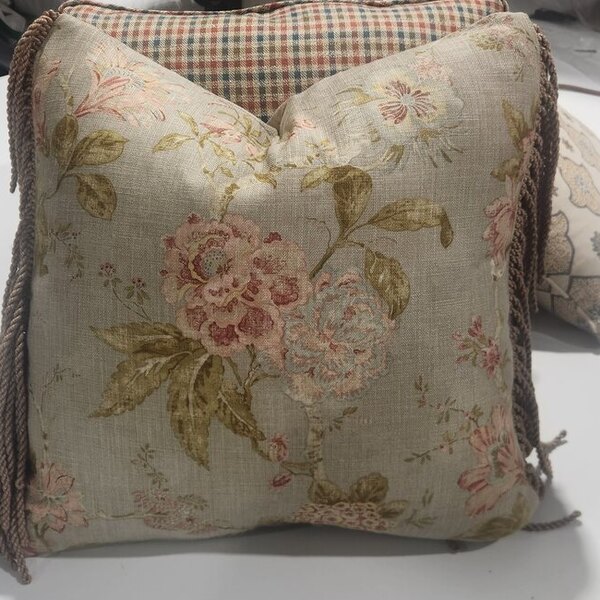
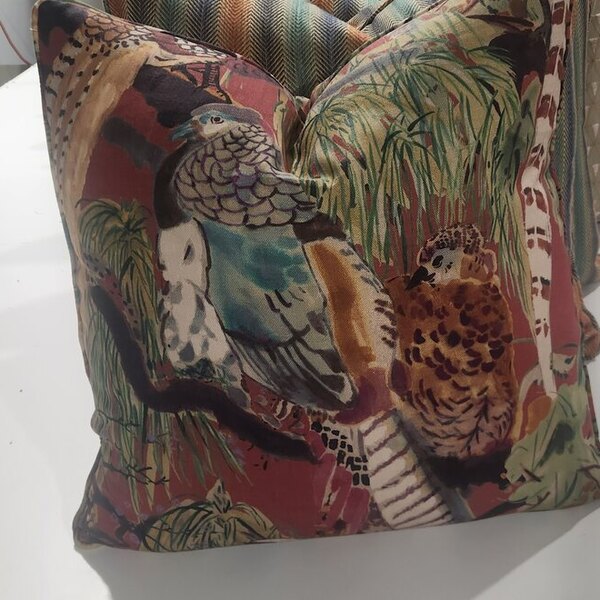
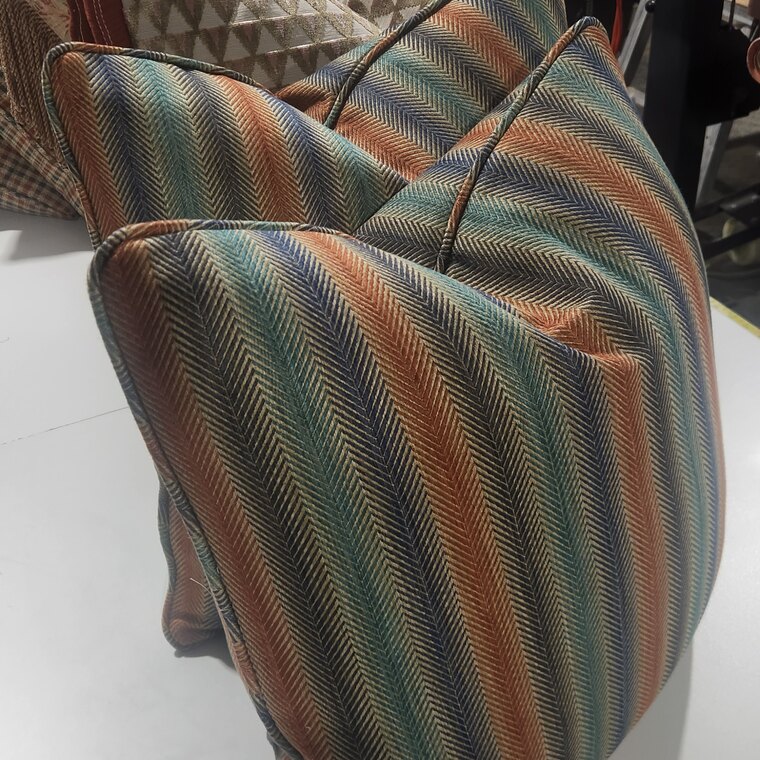
- Fabric selectionGuidance on cloth, leather, weight and colour drawn from fifty years of a trained eye — the right fabric for the right piece.
- Made from scratchBespoke lounges and one-off seating built from the frame up to fit your space, your measurements and your fabric — made to be lived with for a lifetime.
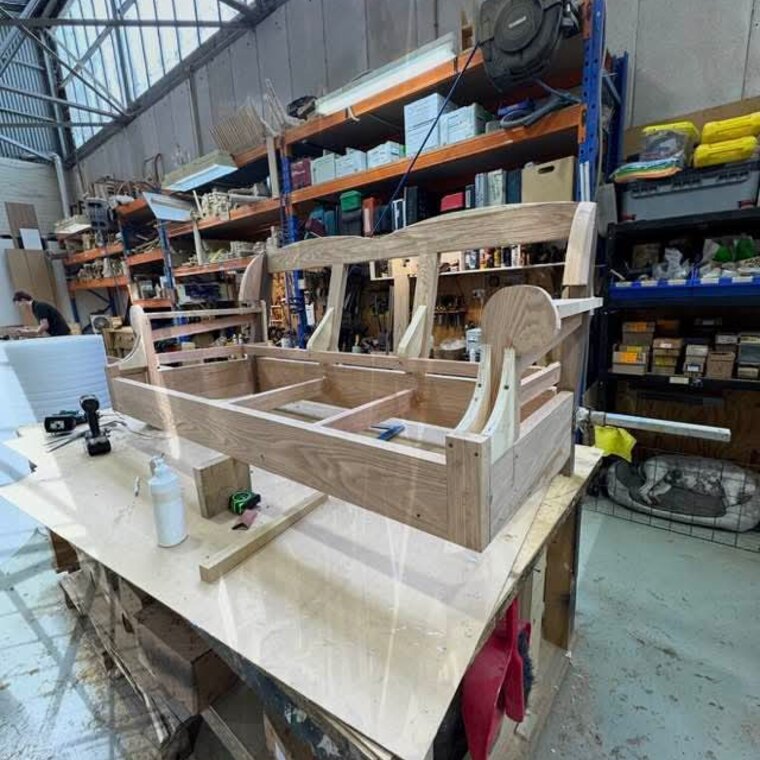
From the frame up
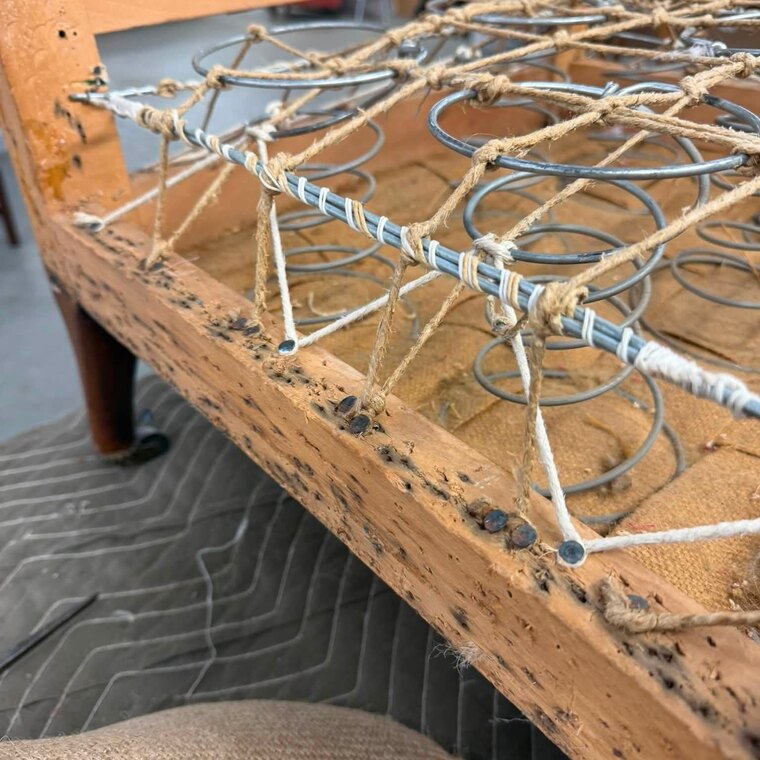
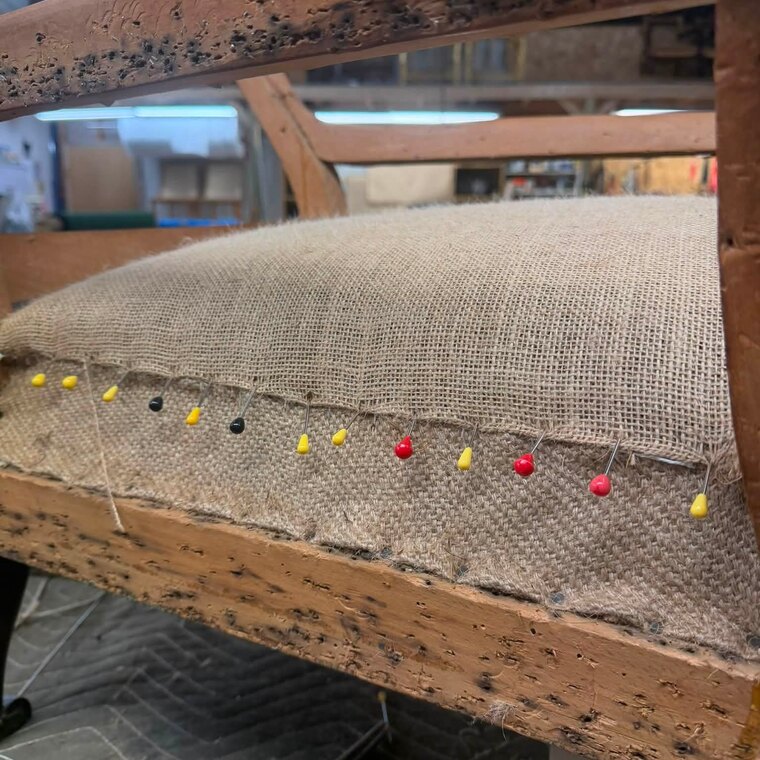
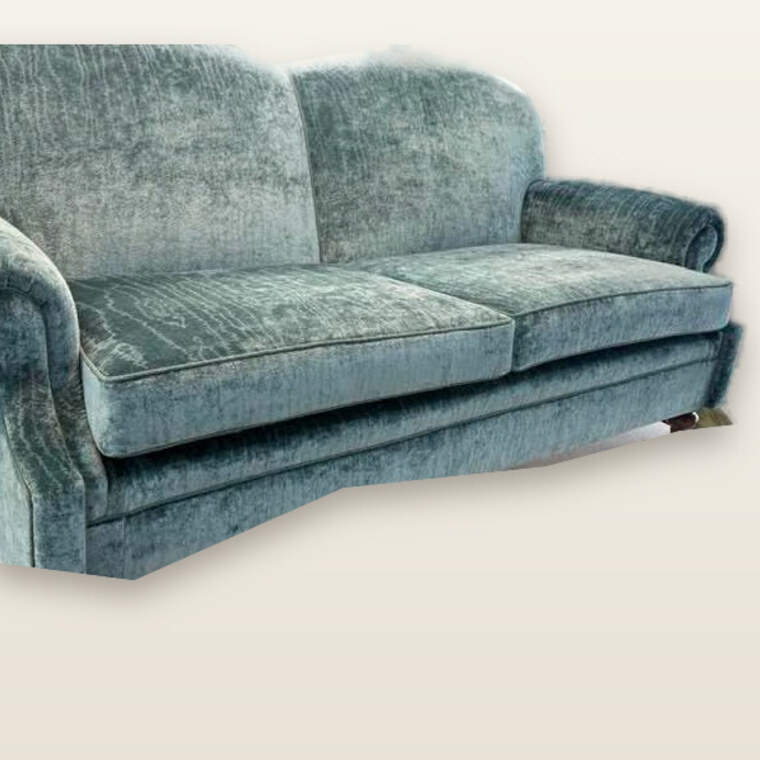
That sofa began as a bare carcass. Every piece is taken back to its bones and rebuilt the slow, traditional way — hand-tied springs, hessian and horsehair, exactly as it has been done for a century.
“Every polished tabletop and hand-tied chair is a vanishing craft kept alive for one more generation — proof that some things are still worth doing slowly, and by hand.” Mathew Matheou, Founder
How it works
Straightforward, unhurried, and honest about what a piece needs — and what it doesn't.
Bring us the piece
Call in to the gallery on Piper Street, or send through a few photographs and a note on the piece and what you're hoping for.
Assessment & quote
Mathew assesses the piece in person, talks you through what it needs, and provides a clear, honest quote before any work begins.
Restored & returned
The work is carried out with care and without shortcuts, then the finished piece is ready to collect — or arranged back to you.
Restoration & French polishing, answered
How much does French polishing or furniture restoration cost?
Every piece is different, so we don't work from a fixed price list. Mathew assesses the item in person, explains what it genuinely needs — and what it doesn't — and gives you a clear, honest quote before any work begins.
Can you remove water rings, white heat marks or scratches from a timber table?
Usually, yes. White rings and heat bloom sit in the finish rather than the timber and can often be drawn out and the surface re-polished by hand. Deeper scratches, burns and stains are assessed piece by piece and repaired sympathetically so the mend blends into the original finish.
Is it worth restoring an old piece rather than replacing it?
Very often it is. Older furniture was built from solid timber and joinery that outlasts most modern equivalents, so a sound antique or vintage piece is usually worth restoring — both for its quality and its character. Mathew will always tell you honestly if a piece isn't worth the work.
What is the difference between French polishing and a modern lacquer or spray finish?
French polishing builds up many fine layers of shellac, hand-rubbed to a deep, warm lustre that sits in the timber rather than on top of it. It can be repaired invisibly in future, where a modern spray lacquer forms a hard plastic-like shell that must be stripped entirely to redo. It is a rare, near-vanished hand skill and the traditional finish for antique furniture.
What is traditional hand-tied upholstery, and how is it different from foam?
Traditional upholstery is built the old way — coil springs hand-tied to the frame, then hessian, horsehair and natural stuffings layered by hand. It lasts for decades and suits antique and period seating. Modern foam-and-webbing upholstery is quicker and lighter; we use whichever method genuinely suits the piece.
Do you restore and reupholster furniture outside Kyneton?
Yes. The workshop is on Piper Street in Kyneton and we regularly take on work from across the Macedon Ranges — Woodend, Trentham, Castlemaine and Daylesford — as well as Bendigo, Ballarat and Melbourne. Send a few photos to start and we'll take it from there.
Will restoring an antique reduce its value?
Not when it's done properly. Good restoration steadies a piece and respects its history rather than erasing it — the aim is a repair you never notice. Sympathetic, reversible methods and an honest hand protect a piece's provenance and, with it, its value.
How long does a restoration or reupholstery job take?
It depends on the piece and the work involved — French polishing is built up in layers over time, and a full reupholstery is a slow, hand-built process. Mathew will give you a realistic timeframe along with your quote, so you know what to expect before the work starts.
Have a piece worth saving?
Whether it's an heirloom in need of steadying or a chair ready for a new life, send a note with a few details and Mathew will be in touch to talk it through.