There is a myth that buying antiques well requires an encyclopaedic knowledge of periods, makers and marks. It helps, certainly — but the seasoned collector's real advantage is simpler and more portable than that. It is a short mental checklist, run instinctively on every piece, that filters the honest from the dubious in a matter of seconds. Almost all of it lives under three headings.
Provenance: where has it been?
Provenance is the story of a piece — where it was made, who owned it, how it came to be standing in front of you. At its most formal, provenance is documentation: an auction record, an old bill of sale, a family history. But most good antiques arrive without paperwork, and that is no cause for alarm. What matters more is that the story a dealer tells is coherent and told without hesitation. A trustworthy seller will happily say what they know and, just as importantly, what they don't.
Ask plainly: where did it come from, what do you know of its age, has it been repaired or restored? The answers tell you as much about the dealer as the object. Vagueness dressed up as mystique is worth noting; candour is worth paying for. This is why so much of good buying is really about who you buy from — a reputable dealer with a trained eye has already done the hardest filtering for you.
Patina: does the age look honest?
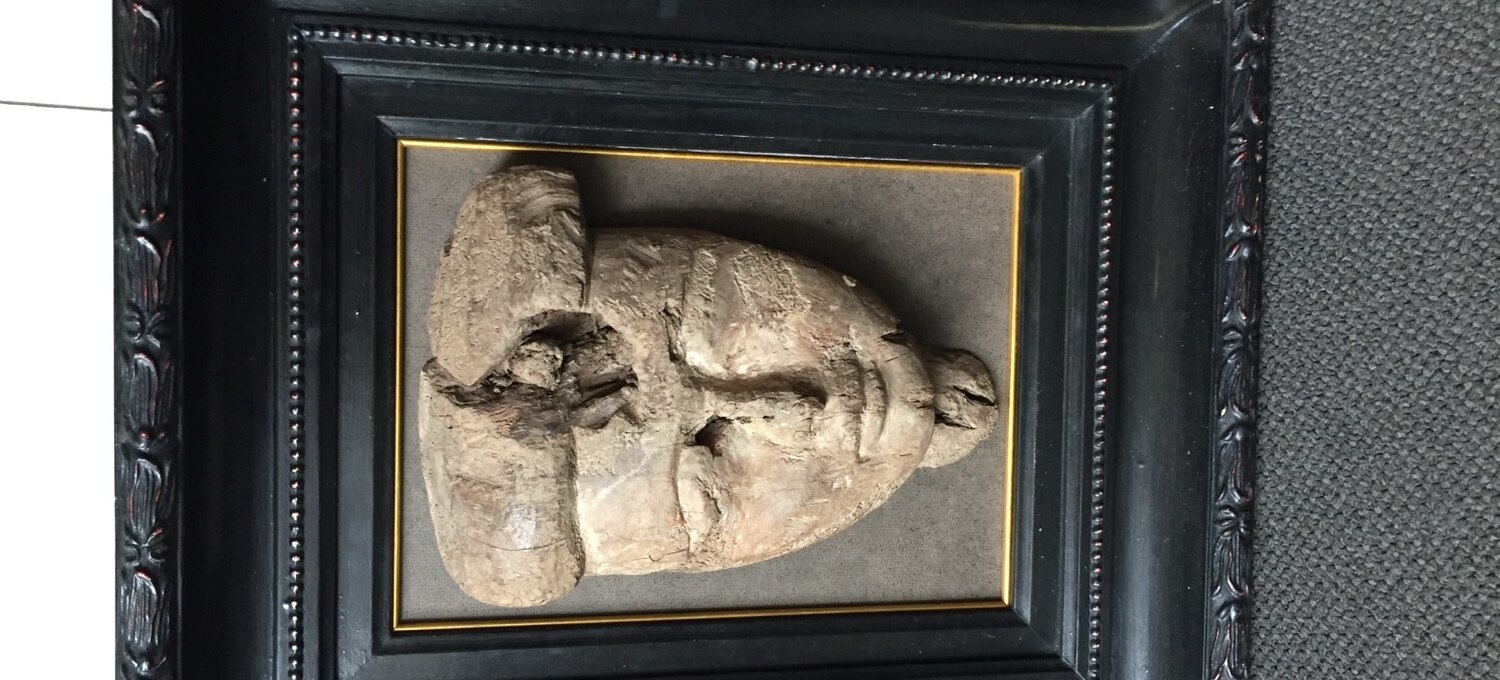
Patina is the soft accumulation of age — the mellowing of a timber surface, the gentle wear on the arms of a chair, the darkening in the crevices of carving where hands and polish and time have settled. It is the single hardest thing to fake, and therefore the collector's best friend. Genuine patina is uneven in the right ways: a tabletop worn where elbows rest and cups are set down, a little more colour in the recesses than on the raised grain, feet scuffed from a century of floors.
What you are watching for is wear that makes sense. Real age is inconsistent and logical at once; a manufactured "antique" finish tends to be uniform, or distressed in places no real life would touch. Turn a piece over — the underside and the back, rarely polished and never seen, often tell the truest story of all. And remember that patina is to be preserved, not corrected: a piece stripped back to raw new-looking timber has usually lost the very thing that gave it worth. Our note on living with antiques goes further into caring for patina once a piece is yours.
Patina is the record of a life already lived — the one thing that cannot be bought back once it is stripped away.
Proportion: is it simply right?
The third check is the most aesthetic and, with practice, the fastest. Good antiques were made by hand, by makers with a trained sense of line, and the best of them have a rightness of proportion you feel before you can explain. The legs suit the top; the drawers step down in graceful degrees; the whole thing sits with a quiet balance. Reproductions and altered pieces often falter exactly here — a cabinet that has been "cut down" to fit a modern room, a marriage of a top from one piece and a base from another, a chair whose replaced leg is a fraction too thick.
Trust your eye. If a piece looks slightly awkward and you can't say why, that instinct is often detecting a proportion that has been disturbed. Step back, look at the silhouette, and ask whether every part looks born to the whole.
Three quiet habits of good buyers
- Buy the piece, not the bargain. The best antiques are bought because they are right, not because they are cheap. A fair price for something honest beats a low price for something doubtful.
- Handle it. Open the drawers, feel the weight, look underneath and behind. A piece reveals itself to the hand as much as the eye.
- Buy what you'll live with. Provenance and patina matter, but so does love. The pieces that hold their worth are the ones chosen with genuine feeling and lived with, not stored away.
And when in doubt, ask
No checklist replaces a good conversation. The pleasure of buying from a dealer who has spent a lifetime at it is precisely that you can lean on their eye — ask questions, learn as you go, and buy with the quiet confidence that someone who knows has already looked hard. That is the whole idea behind the way we gather pieces at Show Pony: everything is chosen with a trained eye, so that the hardest part is already done by the time it reaches you.
Come and look slowly
Every piece in our Kyneton gallery is chosen over fifty years of collecting, restoring and travelling — provenance, patina and proportion already weighed. Browse the collection, or ask Mathew anything; you're genuinely welcome to wander.